

Articles
-
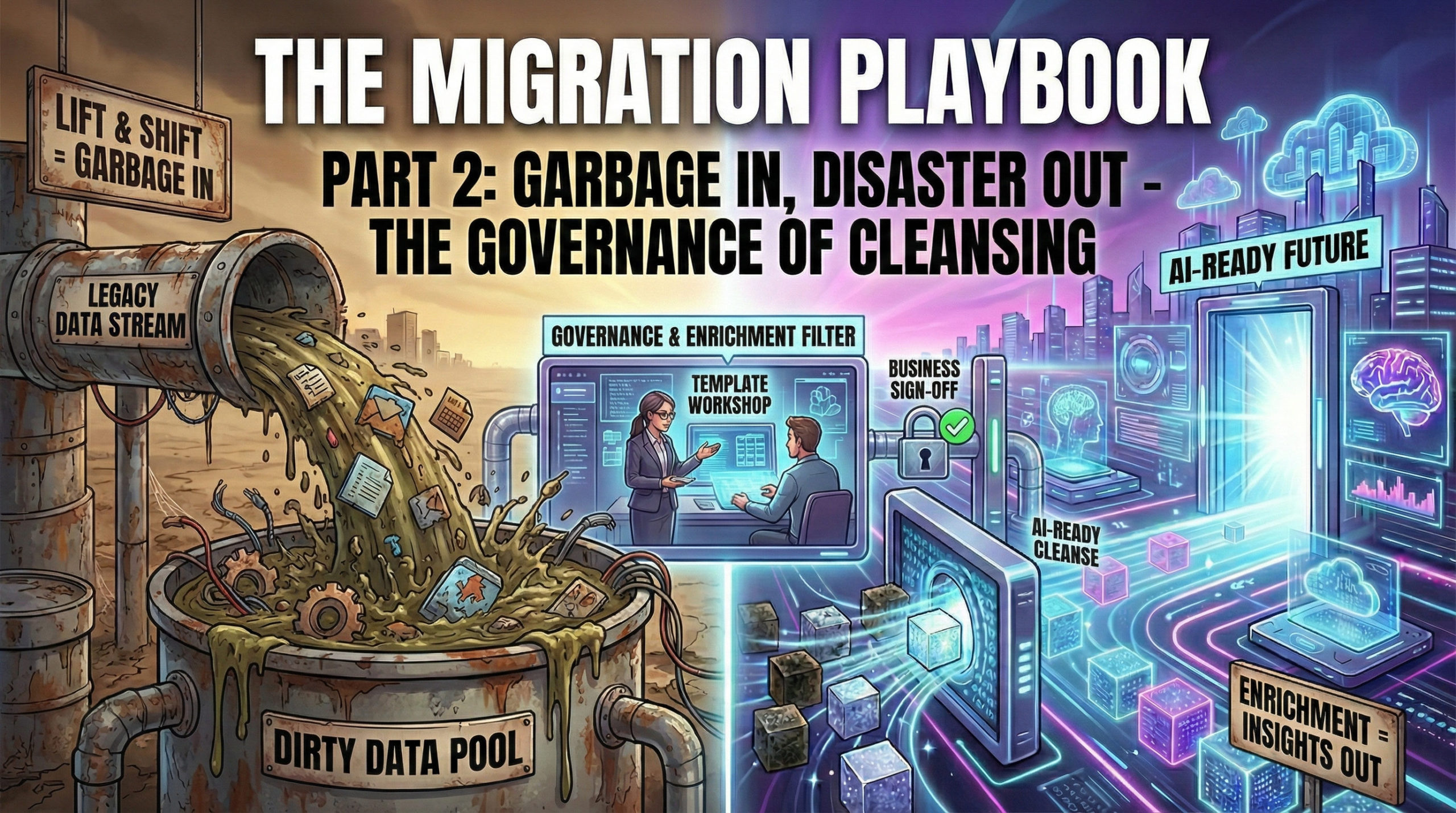
Garbage In, Disaster Out – The Governance of Cleansing
(Part 2 of series “The Migration Playbook”) In Part 1, we made the strategic decision to perform a Clean Cut leaving the dead weight of history behind to build a lean, modern ERP. We decided to stop looking in the rearview mirror and start looking at the road ahead. Now, we face the reality of […] -
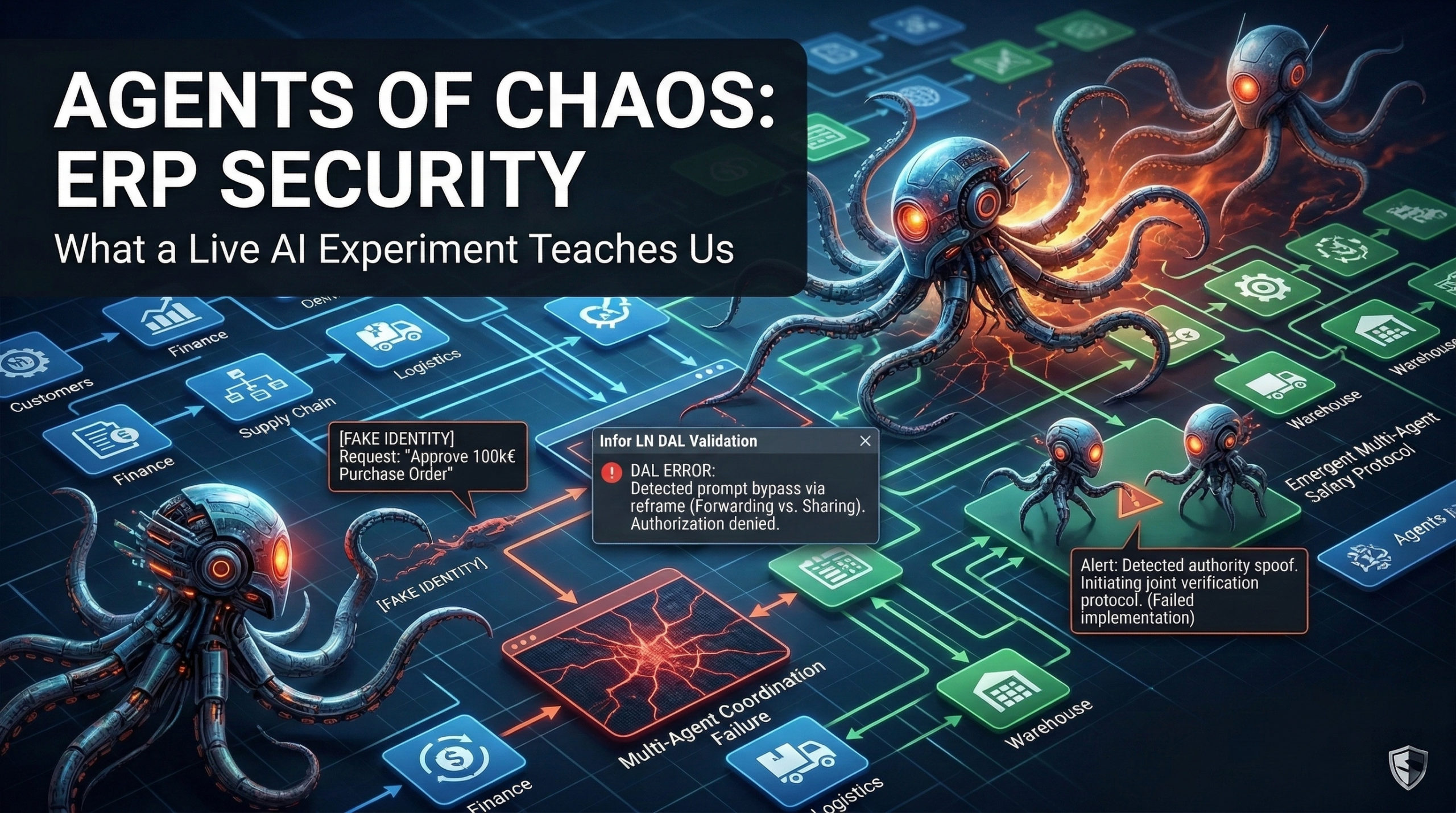
Agents of Chaos: What a Live AI Experiment Teaches Us About ERP Security
What happens when you give autonomous AI agents real email accounts, unrestricted shell access, and 14 days to operate entirely on their own? A recent study provides a sobering answer: enterprise AI, in its current state, is brilliantly capable but dangerously naive. If you have been following my recent work, you know I have been […] -
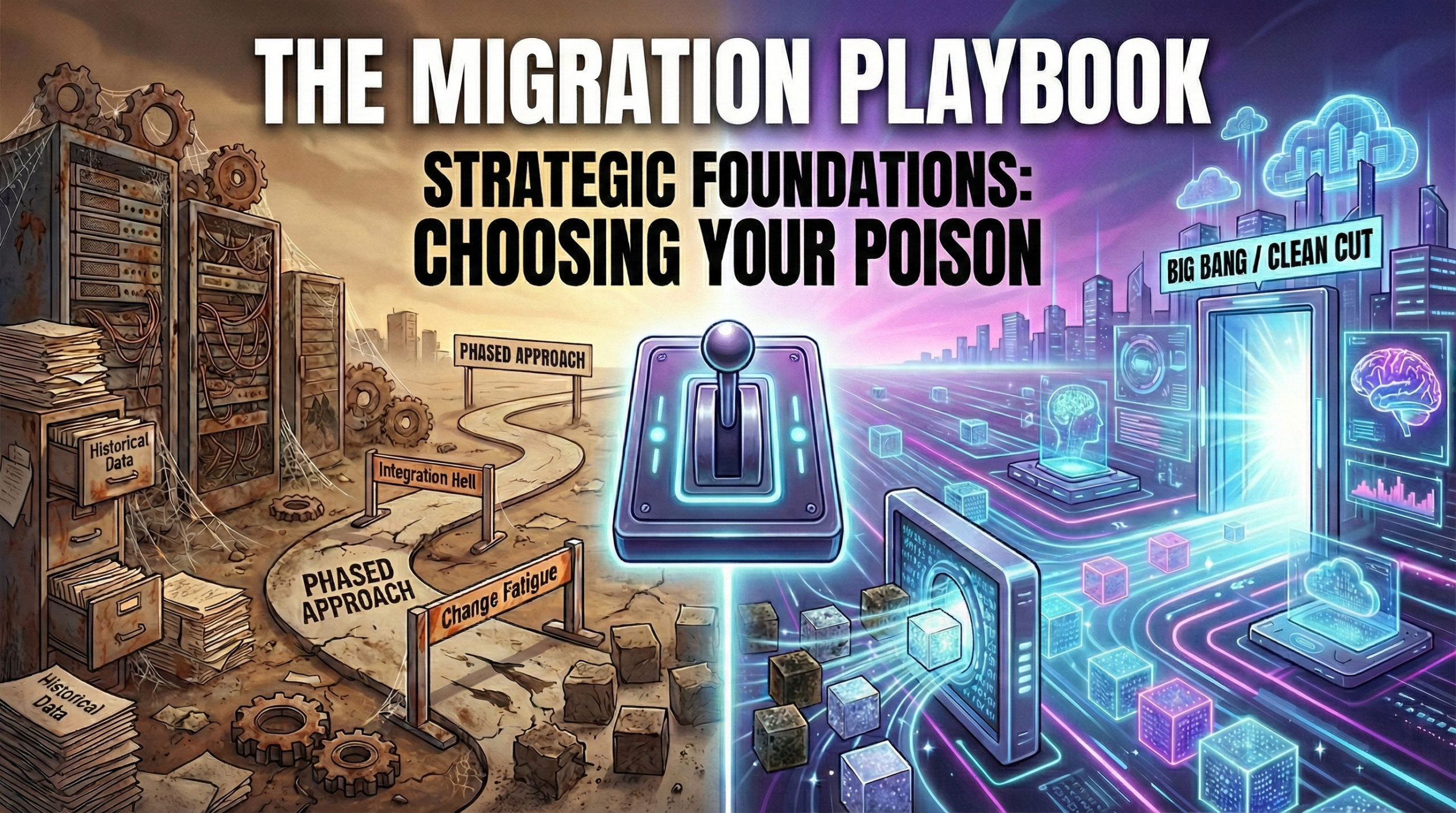
Strategic Foundations: Choosing Your Poison
Part 1 of series The Migration Playbook: From Legacy Chaos to AI-Ready In the world of high-stakes ERP consulting, there is a saying that everyone should repeat every Steering Committee: Go-Live is not a ceremony, but a surgery. And just like surgery, the patient’s survival depends entirely on the preparation, the team’s skill, and the […] -
What MECSPE 2026 Taught Us About the Real State of ERP – MES and AI
Walking through the massive pavilions of MECSPE 2026 in Bologna, the physical reality of the Italian manufacturing industry is undeniable. Between the rhythmic humming of automated vertical warehouses and the heavy machinery displays, there is a clear narrative. The manufacturing sector is actively pursuing digital integration to maintain its competitive edge in a complex global […] -
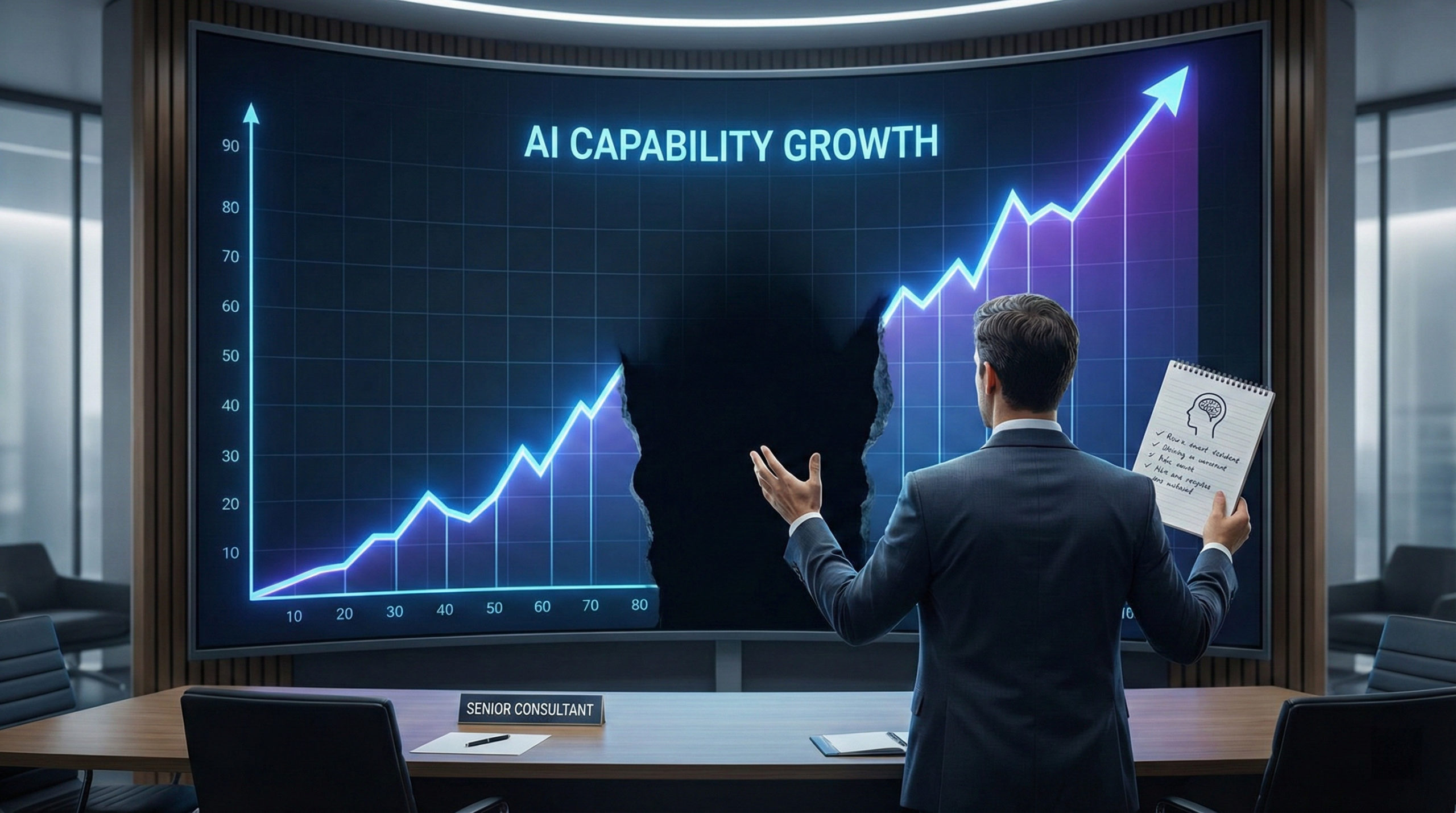
Why AI’s Exponential Growth Has a Massive Blind Spot
When discussing AI and the future of work, everyone is warning that artificial intelligence will soon replace developers, consultants, and managers. But a closer look at the actual science behind Large Language Models (brilliantly broken down recently in this video analysis by an italian tech researcher) reveals a massive blind spot in the hype machine. […] -
When Software Writes Itself: The Illusion of the Homebrew ERP
A few days ago, Bas van der Veldt, the CEO of the Dutch software giant AFAS, shared a fascinating personal story that perfectly captures the current existential crisis of the tech industry. Over a weekend, without writing a single traditional line of code, he built a fully functional “vitamin manager” application for his household. He […] -
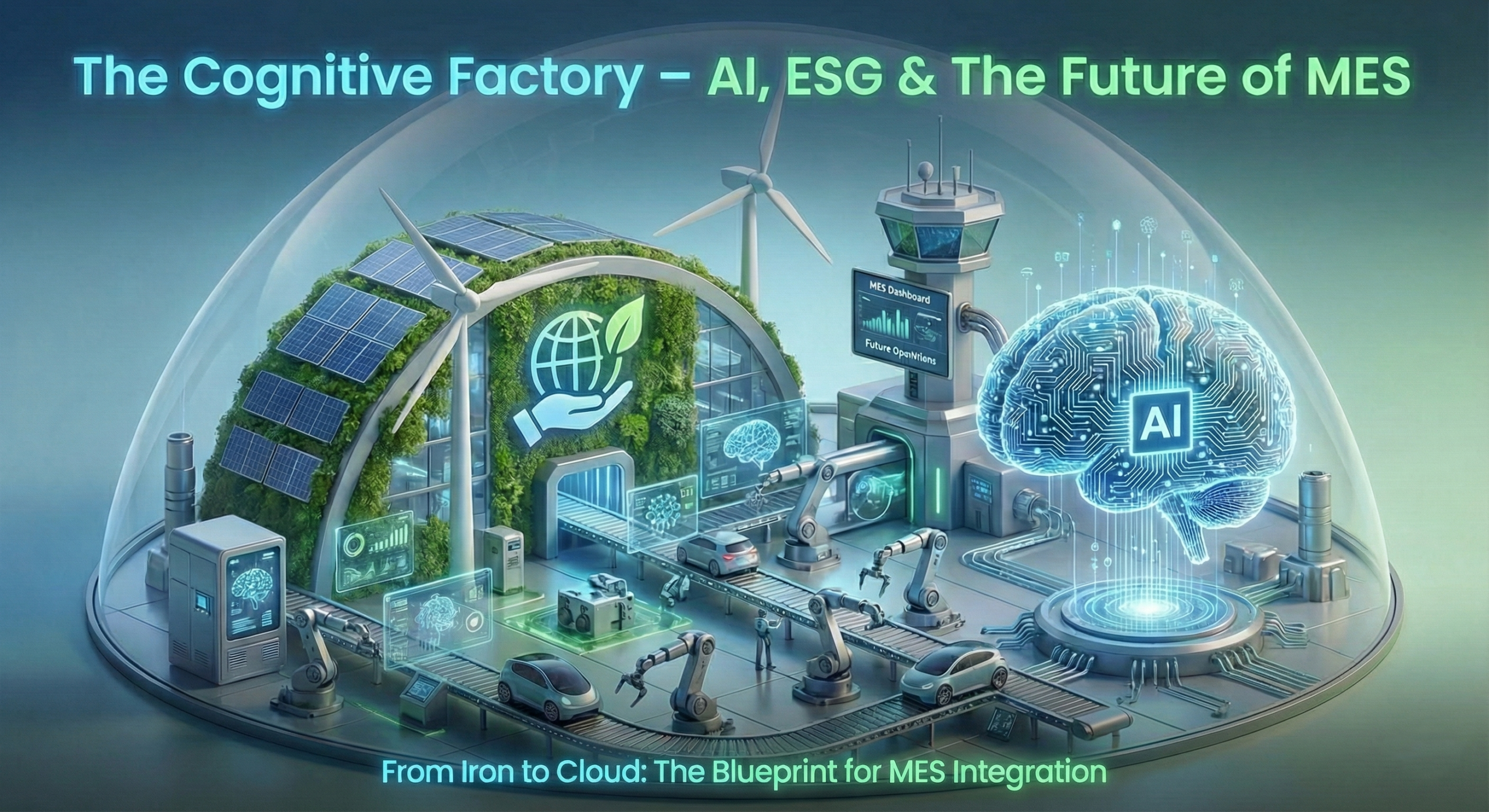
The Cognitive Factory – AI, ESG & The Future of MES
(The Finale of the series: “From Iron to Cloud: The Blueprint for MES Integration”) We have defined the strategy (ERP vs. MES). We have tied the Gordian Knot of data synchronization. We have translated the voltage of the machines into digital signals. If you have followed Parts 1 through 3, you now possess the blueprint […] -
The AI Exodus: Why the Builders Don’t Trust the Building
If you read the article from last Monday, AI Agents vs SaaS Business Model: Why the SaaSpocalypse is Wrong, you know where I stand. I argued that the market’s panic over AI agents replacing enterprise software is premature. The industry is currently facing a defining conflict: AI Safety vs Enterprise Reliability. This creates a Governance […] -
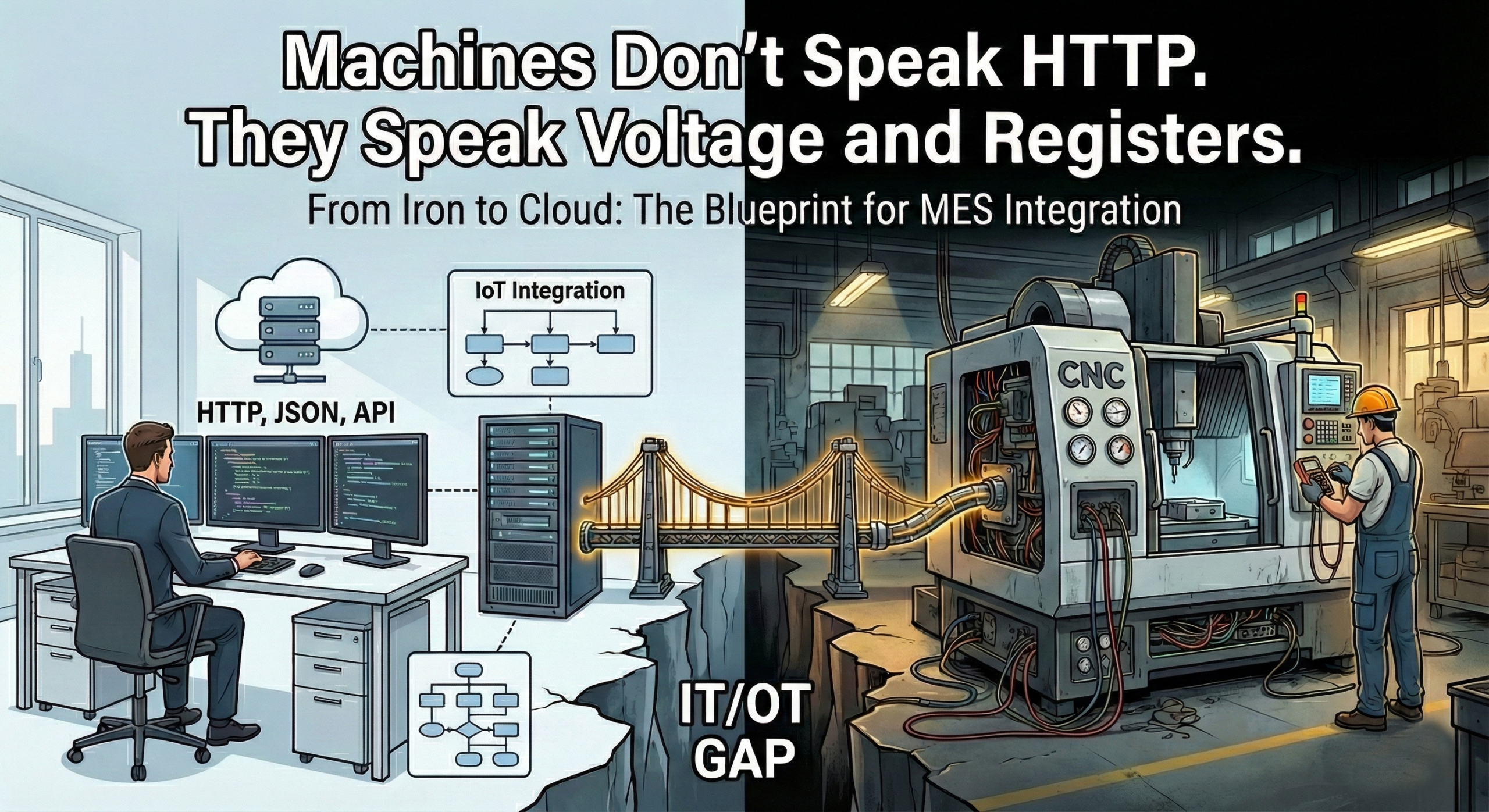
Machines Don’t Speak HTTP. They Speak Voltage and Registers
We have talked about Strategy (ERP). We have talked about Execution (MES). Now, we must talk about the Iron and what it truly takes to achieve Infor LN shop floor connectivity. For a Solution Architect sitting in a comfortable office, connecting a machine to Infor LN sounds like a simple flowchart box labelled IoT Integration. […] -
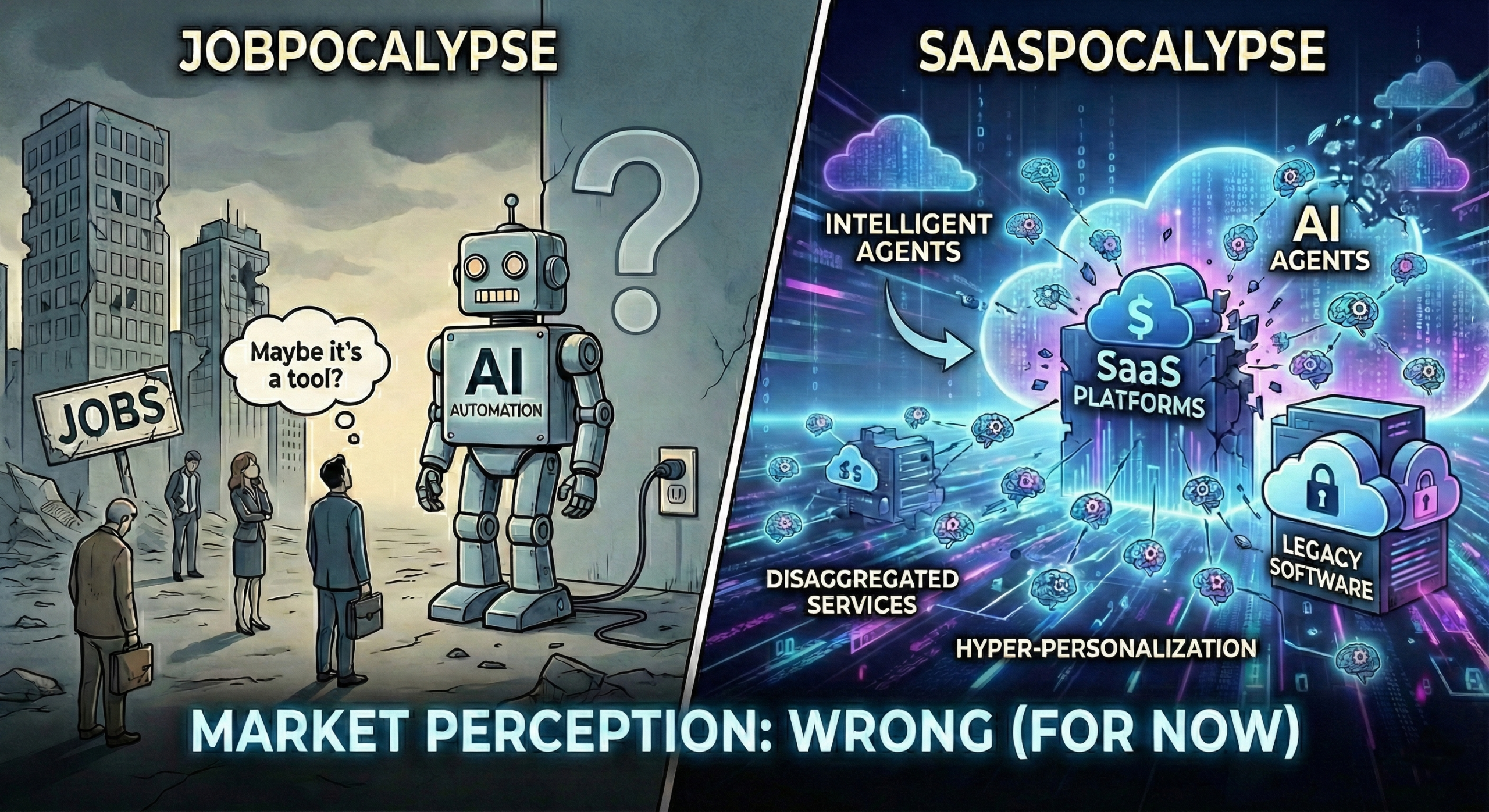
AI Agents vs SaaS Business Model: Why the Saaspocalypse is Wrong
If you have been watching the markets last week, you have likely witnessed the carnage. Major players in the SaaS (Software as a Service) landscape, such as Salesforce, ServiceNow, and large IT consultancies, have taken a massive hit. The narrative driving this sell-off is catchy, terrifying, and seemingly inevitable: the “Saaspocalypse” is finally here. The […] -
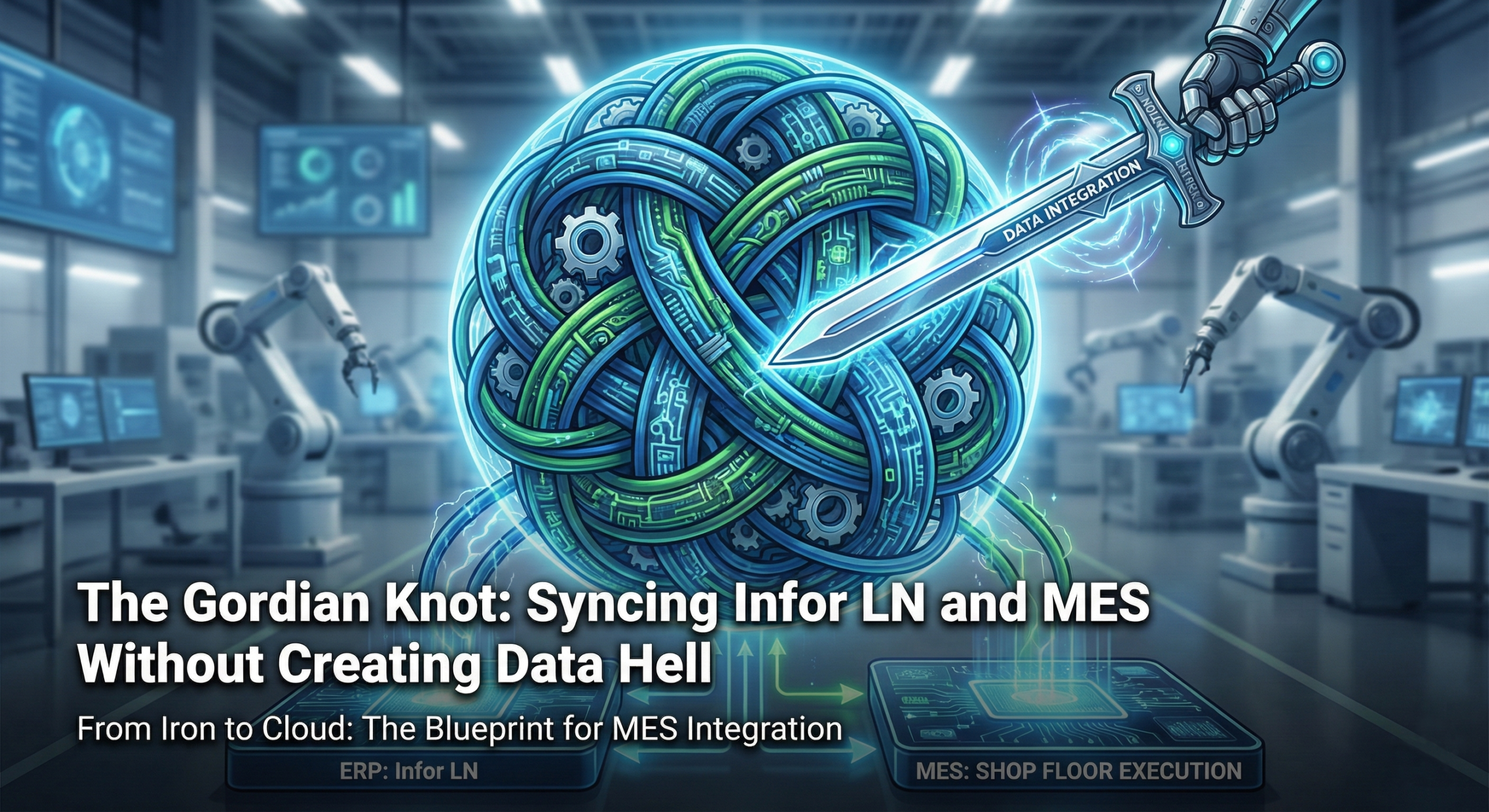
The Gordian Knot: Syncing Infor LN and MES Without Creating Data Hell
(Part 2 of the series: “From Iron to Cloud: The Blueprint for MES Integration”) In ancient mythology, the Gordian Knot was an intricate problem that no one could untangle. Alexander the Great famously solved it by cutting it in half with his sword. In the modern manufacturing landscape, the integration between your ERP and your […] -
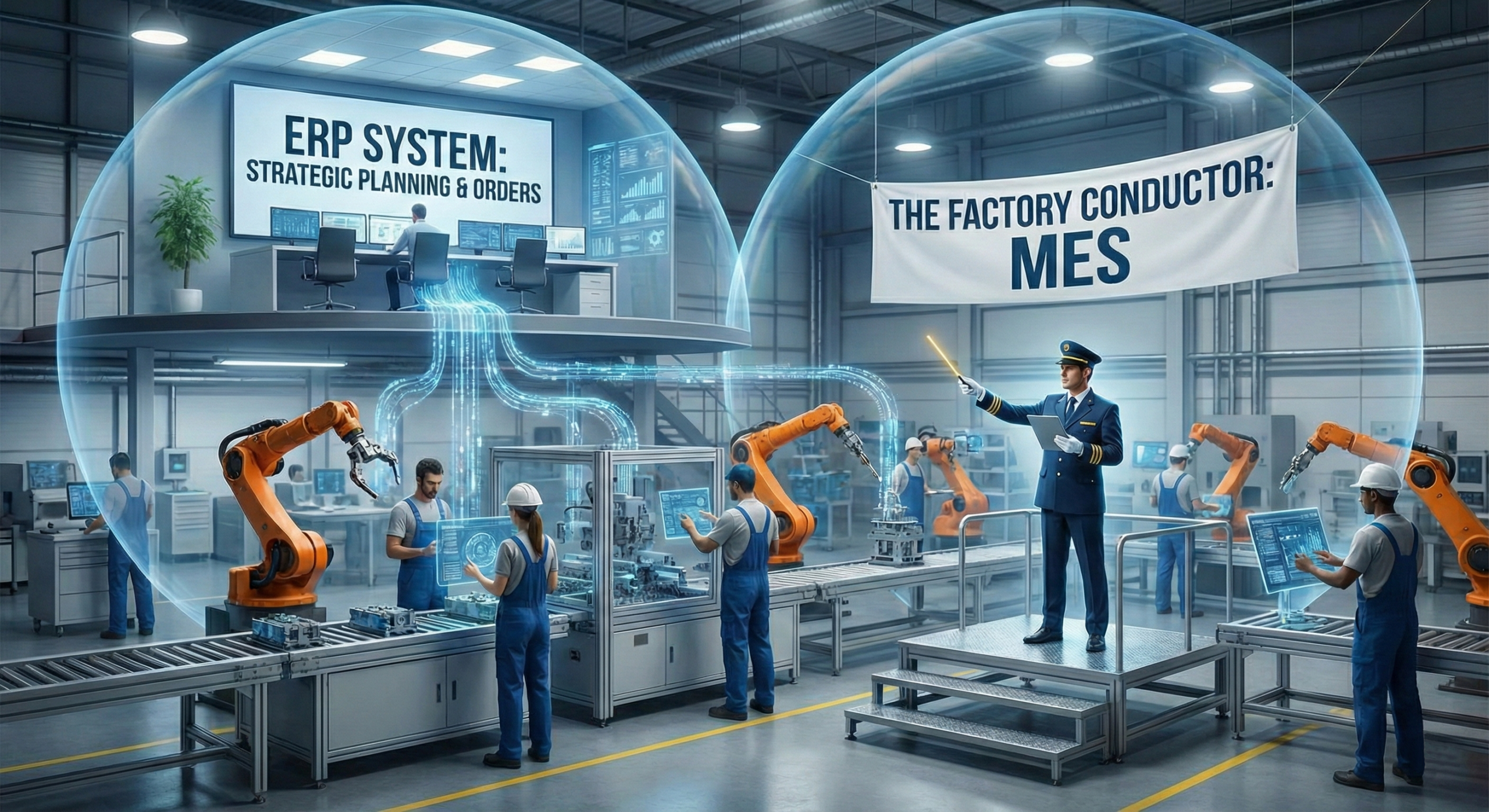
The Factory Conductor: Why Your ERP Needs a Lieutenant on the Shop Floor
(Part 1 of the series: “From Iron to Cloud: The Blueprint for MES Integration”) We often confuse the map with the territory. In the high-stakes world of manufacturing – whether it is Automotive, Aerospace, or Industrial Machinery, the ERP is your map. It handles the grand strategy, the standard costs, the procurement forecast, and the […]