

Das Neugier-Paradigma: Warum die besten Berater nicht alles wissen
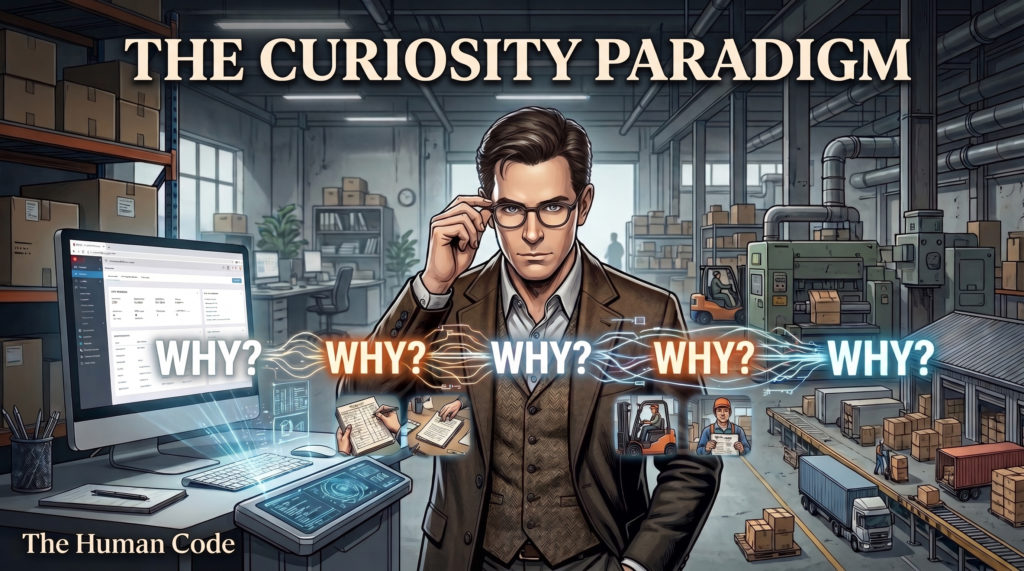
(Teil 3 von 5 der Serie „Der menschliche Code der ERP“)
Wenn man seine Karriere im Bereich Unternehmenssoftware beginnt, wirkt das System zunächst abschreckend.
Sie melden sich zum ersten Mal bei Infor LN an, starren auf die endlosen Menüs, Hunderte von Sitzungen, unendlich viele Parameterkonfigurationen und verspüren einen überwältigenden Druck, sich alles merken zu müssen.
Der Druck, alles wissen zu müssen
Ich erinnere mich an meine Anfänge als Juniorberater. Ich trug immer ein riesiges Notizbuch mit mir herum, in dem ich jeden einzelnen Sitzungscode und Tabellennamen notierte, der mir begegnete. Ich war fest davon überzeugt, dass mein Wert als Experte direkt proportional dazu war, wie viel Software ich mir eingeprägt hatte.
Wenn ein Kunde eine Frage stellte und ich nicht sofort wusste, wie ich reagieren sollte, hatte ich das Gefühl, der Rolle nicht gewachsen zu sein. Ich stellte mir den idealen Berater als ein wandelndes, sprechendes 10.000-seitiges Softwarehandbuch vor.
Es dauerte Jahre und einige schmerzhafte Projektfehler, bis ich eine grundlegende Wahrheit dieser Branche erkannte: Ein gutes Gedächtnis macht einen zu einem brauchbaren Softwareentwickler. Neugierde macht einen zu einem hervorragenden Berater.
Im Zeitalter des Cloud-Computing, wo Software-Updates permanent bereitgestellt werden und sich Benutzeroberflächen über Nacht ändern, ist es zum Scheitern verurteilt, sich allein auf das Gedächtnis zu verlassen. Die Parameter ändern sich. Die Sitzungen werden umbenannt. Doch die zugrundeliegenden Geschäftsprobleme? Sie bleiben komplex, unübersichtlich und zutiefst menschlich.
Die Enzyklopädie vs. der Entdecker
Im Alltag einer ERP-Implementierung trifft man im Allgemeinen auf zwei Arten von Beratern.
Das erste Werkzeug ist die Enzyklopädie. Dieser Berater kennt jedes versteckte Menü und jede noch so obskure Tastenkombination. Wenn ein Kunde ein Problem schildert, findet die Enzyklopädie sofort die passende Standardfunktion einer Software, die er sich vor Jahren eingeprägt hat.
Sie sind unglaublich schnell, aber sie haben einen fatalen Fehler: Sie zwängen jedes individuelle Geschäftsproblem in die ihnen bereits bekannten, vorgefertigten Kategorien. Passt das Problem nicht in diese Kategorie, erklären sie es für unlösbar oder nicht normgerecht.
Der zweite ist der Explorer. Dieser Berater erinnert sich vielleicht nicht sofort an den genauen Sitzungscode zur Konfiguration einer bestimmten Lagerroute. Aber wenn der Kunde ein Problem schildert, denkt der Explorer nicht sofort an die Software.
Stattdessen konzentrieren sie sich auf die Menschen und die Prozesse. Sie stellen Fragen. Sie wollen wissen, warum die physischen Güter auf diesem Weg transportiert werden, wer die Verantwortung für die Unterzeichnung des Dokuments trägt und wie das Team reagiert, wenn der Lieferant verspätet ist.
Die Enzyklopädie gibt sich mit der ersten technischen Antwort zufrieden. Der Forscher hingegen nimmt sich die Zeit, sich wirklich in die geschäftlichen Probleme hineinzuversetzen, bis er die Ursache gefunden hat, und erst dann die Software, um die effektivste Lösung zu finden.
Kunden bezahlen uns nicht dafür, dass wir ihnen nur die Bedienungsanleitung vorlesen. Sie bezahlen uns, damit wir ihre täglichen betrieblichen Probleme lösen. Und man kann ein menschliches Problem nicht lösen, wenn man ihm nicht vollständig zugehört und es verstanden hat.
Die „Ich weiß es nicht“-Superkraft
Viele Berater haben panische Angst davor, vor einem Kunden die drei einfachen Worte auszusprechen: Ich weiß es nicht.
Wir werden meist als Experten hinzugezogen, daher fühlt es sich wie ein Versagen an, Unwissenheit einzugestehen. Doch die eigene Wissenslücke mit komplizierten Fachbegriffen zu kaschieren oder spontan eine Lösung zu erraten, ist der schnellste Weg, die eigene Glaubwürdigkeit zu zerstören.
Der wirkungsvollste Satz, den Sie in einem Workshop verwenden können, lautet: „Ich habe im Moment keine Antwort darauf, aber lassen Sie mich das System genauer untersuchen und werde Ihnen die bestmögliche Lösung präsentieren.“
Diese Antwort bewirkt drei Dinge:
- Es beweist Ihre Ehrlichkeit (was Vertrauen schafft).
- Es bestätigt die Komplexität des Problems des Kunden (und gibt ihm das Gefühl, gehört zu werden).
- Es gibt Ihnen die Zeit, neugierig zu sein, Szenarien zu testen und tatsächlich eine robuste Lösung zu entwerfen, anstatt nur eine übereilte Behelfslösung.
3 Gewohnheiten hochneugieriger Berater
Wer vom Softwareentwickler zum echten Unternehmensberater werden will, muss seine Neugier aktiv schulen. Hier ist ein Leitfaden, um die in unserer Branche am meisten unterschätzte Fähigkeit zu entwickeln:
1. Stelle die dummen Fragen
Gehen Sie niemals davon aus, die Funktionsweise eines Unternehmens zu kennen, nur weil es in einer Ihnen bekannten Branche tätig ist. Ein Werk in Deutschland arbeitet nicht exakt wie eines in Polen, selbst wenn dort dasselbe Produkt hergestellt wird. Hinterfragen Sie Ihre Annahmen und stellen Sie sich die grundlegenden, fast kindlichen Fragen: Warum kommt dieser Karton vor dem Versand hierher? Wer liest diesen gedruckten Bericht eigentlich?
Die tiefgreifendsten Prozessverbesserungen verbergen sich oft hinter den grundlegendsten Fragen.
2. Folgen Sie dem physischen Produkt
Man kann ein Unternehmen nicht allein durch den Blick auf einen Monitor im Besprechungsraum verstehen. Gehen Sie raus. Machen Sie einen Rundgang durch die Produktionshalle. Verfolgen Sie den Weg der Rohstoffe vom Wareneingang bis zur Verladung auf den LKW. Wenn Sie die digitalen Daten im ERP-System mit der realen Arbeitswelt und den Abläufen in der Fabrik verknüpfen, werden Ihre Konfigurationsmöglichkeiten deutlich besser.
3. Verliebe dich in das „Warum“
Wenn ein wichtiger Benutzer Sie bittet, eine bestimmte Funktion zu konfigurieren, zögern Sie kurz, bevor Sie einfach nicken und es notieren. Versuchen Sie, sich in seine Lage zu versetzen. Fragen Sie so lange freundlich nach, bis Sie den wahren, alltäglichen Frust hinter dieser Anfrage erkennen. Agieren Sie als echter Partner, der aktiv zuhört und den Arbeitsalltag des Benutzers spürbar erleichtert.
Mein abschließendes Fazit
Die Software ist nur ein Werkzeug. Ein sehr komplexes, sehr teures Werkzeug, aber dennoch ein Werkzeug.
Sie können jederzeit einen Parameter in der Wissensdatenbank nachschlagen. Sie können jederzeit einen technischen Berater um Hilfe bei der Integration bitten. Aber kein Softwarehandbuch kann Ihnen beibringen, wie Sie sich um das Geschäft Ihrer Kunden kümmern.
Entwickle deine Neugier. Trau dich, die zusätzliche Frage zu stellen.
Denn an dem Tag, an dem man aufhört, neugierig darauf zu sein, wie Unternehmen funktionieren, hört man auf, Berater zu sein und wird zu einer bloßen Bedienungsanleitung.
Und in einer Zeit, in der KI bereits technische Fragen durch die sofortige Analyse von Dokumentationen beantworten kann, ist es unweigerlich ein Kampf, eine langsamere, menschliche Version eines Handbuchs zu sein.
Als Nächstes: Wie man die gefährliche Diskrepanz zwischen den Vorgaben des Vorstands und den tatsächlichen Bedürfnissen der Produktion überbrückt. Wir tauchen ein in die „Führungsillusion“.
Verfasst von Andrea Guaccio
14. Mai 2026